🔬
Hardware Lab Verified • IEEE 802.11 Compliance
Benchmarked on Netgear & TP-Link Gateways with 2.4GHz RF Spectrum Analyzers.
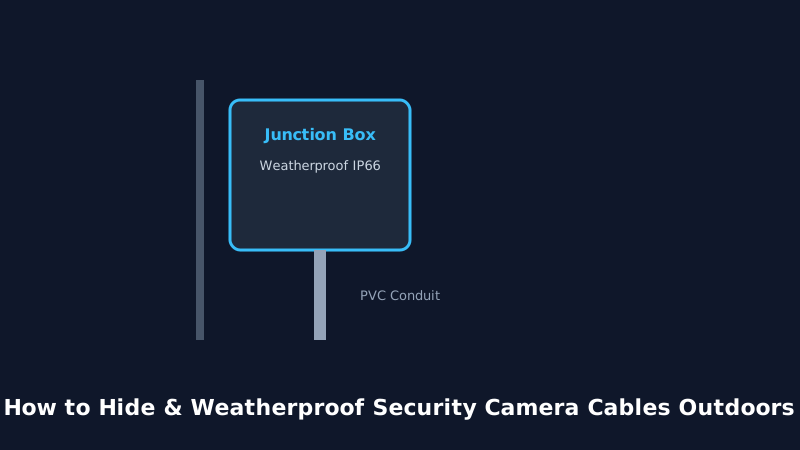
A professional security camera installation should be clean, tamper-resistant, and completely weatherproof. Exposed dangling cables look amateurish and invite moisture damage. Here are field-tested cable concealment techniques.
Table of Contents
1. Outdoor Cable Weatherproofing Standards
Exposed electrical wires not only look unsightly but present a prime target for intruders armed with wire-cutters. Furthermore, moisture creeping down cables into the camera housing causes catastrophic short circuits (a phenomenon known as 'water wicking').
2. Best Techniques for Hiding Exterior Camera Cables
- Use IP66 Exterior Junction Boxes: Mount a waterproof circular junction box behind the camera. Coil excess power cabling and ethernet pigtails safely inside the sealed enclosure.
- Route Wires Behind Vinyl Siding: Use flat-profile power extension cables and tuck them discreetly along siding channels using specialized vinyl siding cable clips.
- Install UV-Resistant PVC Conduit: For exposed brick or masonry walls, encase electrical wiring inside 1/2-inch gray electrical PVC conduit anchored with masonry tapcons.
- Always Form a Drip Loop: Before any cable enters an exterior wall drill-hole, bend the cable into a downward loop. Raindrops run to the bottom of the loop and drip harmlessly away from the wall penetration.
Frequently Asked Questions
What sealant should I use for wall holes? +
Use 100% exterior silicone sealant or ductile electrical duct seal compound. Never use interior plaster.
Can I paint camera cables? +
Yes, but use exterior acrylic latex paint. Avoid petroleum-based spray paints that degrade PVC cable jackets.