🔬
Hardware Lab Verified • IEEE 802.11 Compliance
Benchmarked on Netgear & TP-Link Gateways with 2.4GHz RF Spectrum Analyzers.
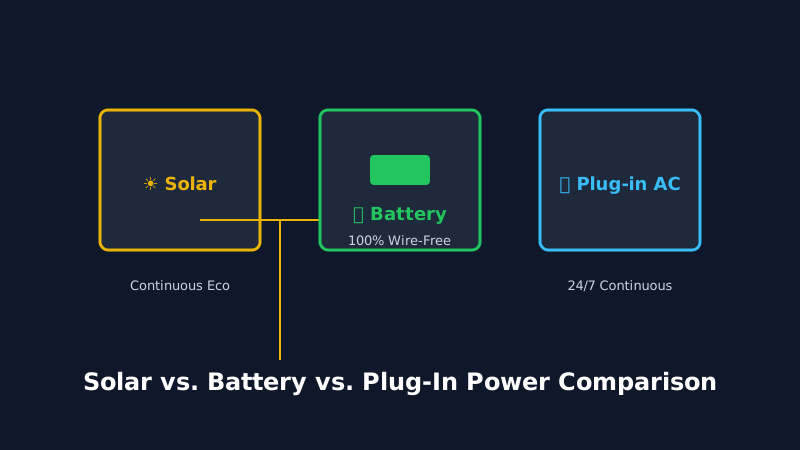
Choosing how your WiFi HD camera is powered determines not only where you can mount it, but also whether it can record video 24/7 continuously or only wake up during motion events.
1. Battery-Powered Wireless Cameras
- Pros: 100% Wire-free installation anywhere; immune to power outages.
- Cons: Cannot record continuously (only records motion events to conserve power); requires manual recharging every 2 to 6 months.
2. Solar-Powered WiFi Cameras
- Pros: Continuous maintenance-free charging via 3W-6W mini solar panels; ideal for remote fences, sheds, and trees.
- Cons: Requires 3+ hours of direct sunlight daily; battery performance drops in sub-freezing winter temperatures.
3. Plug-in / Hardwired AC Cameras
- Pros: Full 24/7 continuous recording without battery anxiety; higher frame rates and brighter floodlight LEDs.
- Cons: Requires drilling or running power cables to nearby electrical outlets.